September 30, 2026
Senior Pet Care Essentials from Prairieville Animal Hospital
By @trevorqgzj262
The aging process for pets mirrors what we see in people, only the signs arrive through different channels. Some dogs and cats slow down gradually, while others show sharper shifts in appetite, mobility, or mood. At Prairieville Animal Hospital, we approach senior care as a sustained partnership with owners, built on observation, honest conversations, and practical plans that fit real life. The goal is not to chase perfection but to maintain quality of life, minimize distress, and give owners a clear road map for what comes next.
This article blends clinical experience with the everyday realities of a busy practice. It is grounded in the kind of day to day decisions that shape how a senior animal feels during the last years, months, or even the last season of life. You will read about preventive pet care tailored to older pets, how to interpret subtle changes in behavior, and the practical steps that make a real difference in comfort and longevity. The clinic team frequently reminds owners that senior care is a continuum. There are no one time fixes, only steady adaptations as a pet’s needs evolve.
Understanding the landscape of senior health starts with recognizing that aging is not a single disease. It is a constellation of changes that affect systems differently in each animal. Some cats maintain their appetite while their kidneys slowly lose function. A dog may lose strength in the hind end but retain social energy. The body’s chemistry shifts, joints stiffen, eyes cloud over, and the mind sometimes drifts. The art of senior care lies in catching the small signals before they accumulate into larger problems. That means regular exams, targeted testing, and a willingness to adjust routines at home.
From a practical standpoint, the team at Prairieville Animal Hospital emphasizes three core pillars: proactive prevention, early detection, and compassionate management. Preventive pet care for seniors is not about chasing every possible issue, but about keeping the most common trouble spots in balance. Early detection means listening closely to what the pet can communicate through behavior, rather than relying on owners to notice every nuance. Compassionate management translates to plans that respect the bond between owner and pet, acknowledging the emotional stakes involved when a beloved companion grows older.
Aging pets often fly under the radar until a problem becomes obvious. In the clinic we see some patterns recur across species and breeds. Kidney and liver function can drift slowly without obvious symptoms. Heart health may deteriorate in quiet ways, and mobility challenges can creep in with subtle changes in gait or endurance. Dental health is frequently overlooked, yet it matters deeply for nutrition and discomfort. In many cases, a combination of small adjustments yields meaningful relief. The goal is to prevent a crisis from looming while enabling the pet to remain engaged with daily life.
Every senior pet arrives with a unique history that colors how we approach care. A ten year old Labrador retriever with seasonal allergies is not the same case as a ten year old grey tabby with arthritis. Past illnesses, prior surgeries, medication tolerance, and the home environment all influence the plan. Prairieville Animal Hospital prioritizes a family approach. We listen for what matters most to you and what your pet tolerates or enjoys. We translate medical options into a practical byproduct — comfort, appetite, energy, and the chance to share more days together.
Preventive pet care for seniors is not a single event but a rhythm. It begins with an annual comprehensive wellness exam that becomes more frequent as a pet’s needs escalate. We pair these exams with diagnostic workups that suit the species, age, and risk profile. A dog may benefit from a full blood panel, urinalysis, and blood pressure measurement as part of routine senior screening. A cat might require kidney function markers, a thyroid panel, and a demonstration of dental health. The exact tests vary, but the principle remains the same: routine assessment helps steer decisions before symptoms intensify.
The conversation with owners often centers around appetite and weight. Weight is a reliable, tangible signal of how a senior is doing. A steady loss can indicate metabolic changes, dental pain, or early organ dysfunction. Weight gain, on the other hand, may reflect reduced activity, hormonal shifts, or fluid balance problems. Prairieville Animal Hospital uses weight trends as one of the first tells that something needs closer investigation. We invite owners to track daily meals, treats, and any changes in appetite. A few additional context clues can illuminate a larger pattern — for example, a dog that used to finish meals but now lingers after a few bites may be showing discomfort in the mouth or a change in taste.
The social and emotional dimension matters as well. Many older pets remain deeply connected to family routines, and changes in environment or daily structure can magnify stress. A new resident in the home, a shift in work schedules, or even the introduction of a new pet can disrupt a senior animal’s sense of safety. In practice, we pay attention to how a pet approaches food, play, and affection. When a change occurs, the first question is not only is this disease, but is it something that can be resolved with adjustments in routine or environment. Often the answer lies in small, thoughtful shifts rather than big medical interventions.
Companion care becomes a dance between medical management and life quality. We recognize that some seniors manage chronic conditions like arthritis, dental disease, or early organ dysfunction with medical therapy. Others benefit from supportive strategies at home that do not require medication. The following sections explore the practical components of senior pet care. They draw on real cases, the kind that stay with you because they remind you how much a routine can improve a life.
A balanced senior care plan begins with accurate assessment. The typical sequence at Prairieville Animal Hospital combines a thorough history taking, a focused physical exam, and a plan that aligns with the pet’s capabilities and the owner’s expectations. We often verify the pet’s baseline function with simple functional tests that you can replicate at home. For instance, walking a few steps, testing the ability to rise from a lying position, or noting changes in grooming habits. These checks help flag when a visit to the clinic is warranted or when an adjustment in daily routines will suffice.
Nutrition for seniors is not just about calories. It is about nutrient density, ease of chewing, and digestibility. Many older pets benefit from diets formulated specifically for senior needs, but not every animal requires the same approach. We often tailor recommendations based on dental status, kidney function, weight goals, and activity level. Some seniors do well on diets that emphasize moderate protein with high digestibility, while others require restricted minerals or anti-inflammatory components to curb joint discomfort. The key is a plan that adapts as the pet’s status evolves, with clear milestones that you can observe and track.
Dental health deserves a particular focus in senior care. Chronic dental disease not only causes pain but can influence appetite and systemic inflammation. In practice, we monitor for signs like difficulty chewing, drooling, bad breath, and changes in appetite that do not fit other explanations. Cleaning and dental care can be done at the clinic or supplemented by home routines under veterinary guidance. The goal is not to punish the pet with frequent anesthesia, but to balance the benefits and risks of dental procedures. In many cases, a staged approach works best, combining professional cleaning with ongoing at home care to maintain comfort and function.
Mobility and comfort present some of the most tangible improvements you can achieve for seniors. Arthritis, degenerative joint conditions, and muscle loss all contribute to slower movement. We discuss pain management options that range from joint supplements and physical therapy to carefully chosen medications. A realistic plan often includes a combination of weight control, low impact exercise, and environmental adaptations that reduce strain. A simple example is providing non slip flooring in key areas, ramp access to favorite spots, and raised feeding stations that minimize bending. Small changes in the home can keep a senior pet active and engaged, which in turn supports mental well being.
Medical management for chronic conditions is a careful balancing act. When we outline a treatment plan for an older animal, we weigh potential benefits against risks and the burden of administration. Some pets tolerate once daily pills easily, others require compounded formulations or topical therapies to minimize stress. We always consider the owner’s daily life and the pet’s temperament. In practice, we encourage a staged approach to new therapies, starting with the simplest option and escalating only if necessary. We also emphasize regular monitoring and re-evaluation, because what works well today may need refinement in a few months.
In the following sections you will find practical guidance on home care, monitoring, and decision points that commonly arise with senior pets. The aim is to deliver a steady stream of usable advice that does not overwhelm you, while keeping you rooted in the clinical realities that shape these decisions.
A close partnership with a veterinary team makes a difference. Prairieville Animal Hospital often becomes a steady presence in a family’s life, assisting with routine care, urgent needs, and the soft transitions that come with aging. Our clinicians bring a mix of medical training, field experience, and a resident knowledge of how animals respond to care in the real world. We have learned that the most successful senior care plans are those that balance evidence with the pet’s personality, and that honor the owner’s time, resources, and emotional ties to the animal.
Home care is highly personal. The same approach cannot fit every family, so we prioritize flexibility. Daily routines, such as feeding times, medication administration, and activity schedules, should feel sustainable. If your household is busy, your senior pet may benefit from small, repeatable rituals that anchor their day. Consistency matters more than grandeur. A predictable morning walk, a known place to rest after meals, and a routine around bedding and grooming can significantly reduce stress and confusion in older pets.
In addition to medical care, environmental design plays a critical role in senior pet comfort. For dogs with limited mobility, a soft path from bed to door may eliminate awkward jumps. Cats often appreciate elevated perches that let them observe without moving long distances. Temperature control matters as well. Older animals often tolerate heat or cold poorly, so a quiet, well insulated space with appropriate bedding becomes a sanctuary through the seasons. At Prairieville Animal Hospital we hear from many owners that these small shifts translate into longer sleeps, steadier appetite, and improved interaction with family members.
The caregiver’s knowledge is a powerful tool. If you understand how your pet expresses pain, fatigue, or discomfort, you can act sooner. Some dogs vocalize or guard a limb. Others become less interactive or show a reluctance to climb stairs. Cats may retreat to a preferred quiet corner, lose interest in play, or avoid brushing. Observing these signals and sharing them with your veterinarian allows us to tailor care promptly. The practice encourages owners to keep a simple health diary. Note events like appetite changes, water intake fluctuations, stool consistency, energy levels, and night awake periods. Even a few lines each day create a richer picture for us to interpret during visits.
One of the most frequent questions https://shaneyxlp221.alderbrief.com/posts/spay-and-neuter-prairieville-animal-hospital-s-comprehensive-care-plan we hear concerns the timing of when to consider more active intervention versus comfort focused care. There is no one-size-fits-all answer. Some owners want every feasible measure to extend life, even if it introduces risk or discomfort. Others prefer a gentle approach that focuses on minimizing pain and preserving daily enjoyment. The decision rests on the individual animal’s condition, trajectory, and the owner’s goals. Prairieville Animal Hospital supports both paths, helping families navigate the moral and practical tensions with honesty and compassion.
What follows are two concise, practical lists that can serve as quick references for busy households or when you need a reminder of the core tasks that reliably improve senior pet well being. They are designed to complement the longer narrative and to be easy to revisit during routine care days.
First, a concise checklist of senior health priorities you can review before visits or during routine at home:
1) Track weight and appetite weekly, noting any changes and bringing them to the next appointment. 2) Observe mobility and sleep patterns, particularly any reluctance to rise, stiffness after rest, or reduced activity. 3) Monitor drinking and urination patterns, looking for unusual increases or decreases. 4) Inspect teeth and gums for signs of discomfort, bad breath, or drooling. 5) Review medications and supplements for accuracy, potential interactions, and owner feasibility.
Second, a short list of environmental and daily care adjustments that can yield meaningful benefits without major disruption:
- Provide low impact exercise like short, frequent walks or gentle indoor play to sustain muscle tone without overstressing joints.
- Create a warm, quiet retreat with easy access to water and a familiar bed, ensuring a predictable daily rhythm.
- Make non slip surfaces in areas the pet traverses most, such as entryways, kitchen floors, and the stairs.
- Use dental friendly treats or chews only if approved by the veterinarian, to encourage consistent oral care without encouraging weight gain.
- Schedule regular veterinary visits with a focus on incremental changes rather than dramatic shifts in therapy.
In many cases these small adjustments accrue over weeks and months, creating a noticeable difference in mood and energy. A senior pet who once slept through the day may regain curiosity, or a dog that resists movement might stretch after a meal with a little coaxing from a favorite toy. The goal is not to chase a perfectly preserved youth but to sustain a comfortable, engaged life in the years that remain.
To make senior care work in practice, we must balance medical realities with everyday practicality. The team at Prairieville Animal Hospital emphasizes clear communication, a transparent cost framework, and a stepwise management plan. When owners ask whether a new test or therapy is worth pursuing, the answer hinges on three questions: will it improve comfort or function, what is the chance of meaningful benefit, and how manageable is the treatment in daily life? The responses vary with the animal and the family. Sometimes a minor adjustment in medication timing yields measurable relief. Other times, a dental procedure reduces overall inflammation and enhances quality of life for months to come.
Aging is a shared journey. The clinic collaborates with families to align medical goals with personal values. We respect that some families will prioritize independence, while others might emphasize quiet evenings with their pet at home. In every case, we aim to guide with empathy, provide accurate information, and support practical decisions. The process includes revisiting goals as the pet changes, because what works at one stage may not hold in the next.
When you plan ahead for senior care, you reduce the stress of crisis moments. A little preparation goes a long way. Start with a baseline of health through a comprehensive wellness exam, then build a schedule of regular monitoring that reflects the animal’s unique needs. A practical approach often means bringing the pet in for testing every six to twelve months, depending on risk factors and current health status. For some animals, a longer interval is feasible if the results are stable and no new concerns arise. For others, more frequent oversight is necessary to ensure any changes are caught early and managed effectively.
In the clinic, we see how families adapt to the realities of aging with resilience. Some pets maintain most daily activities, with only minor refinements to routine. Others require a more explicit adjustment plan, including weight management, pain control, and environmental modifications. The common thread is a willingness to engage in ongoing dialogue, revisit assumptions, and tailor care as new information becomes available. The bond between owner and pet remains the anchor, guiding decisions when medical nuance and real life intersect.
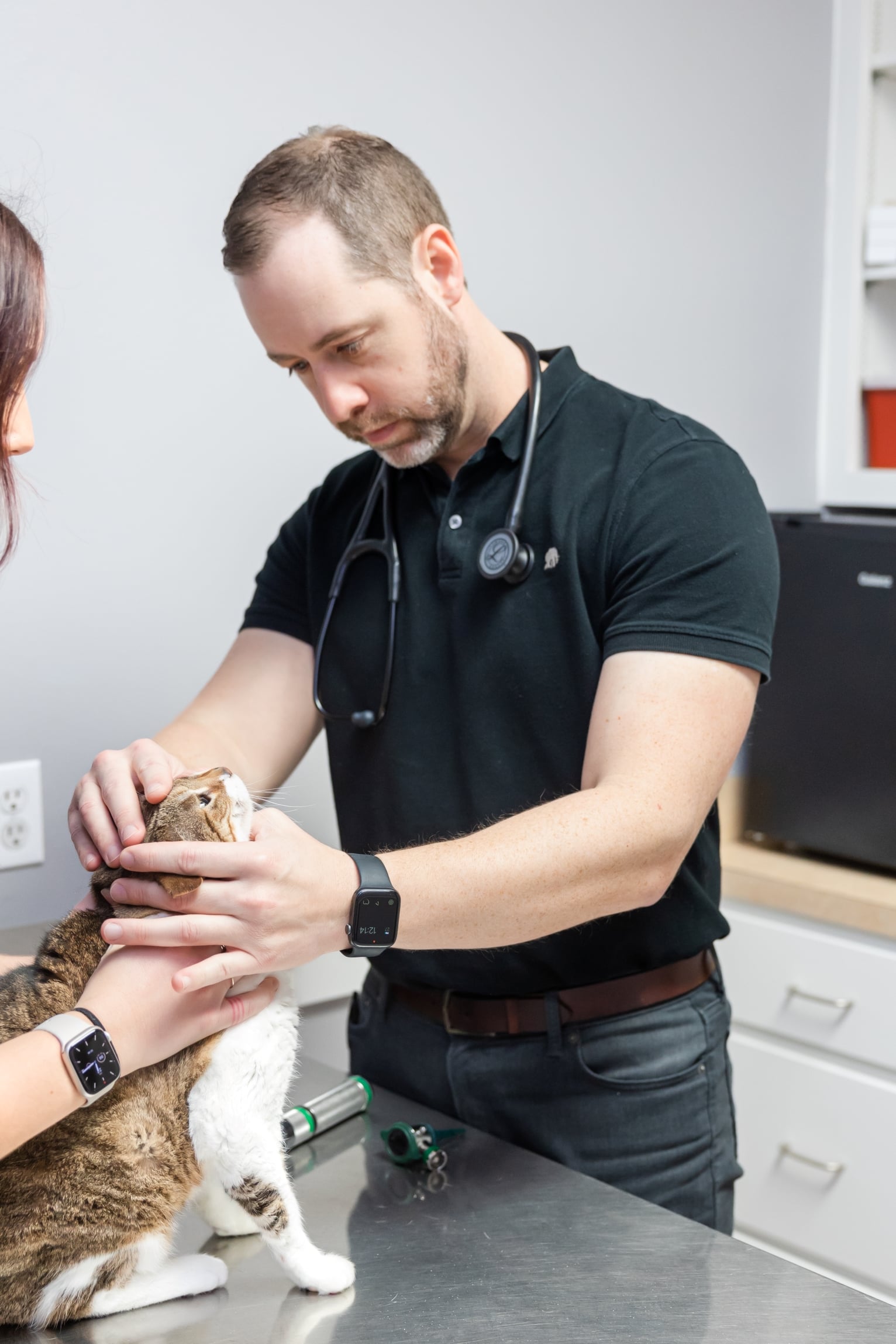
If you are navigating this phase with a senior pet, consider the value of a care plan that is explicit yet flexible. A good plan identifies the most important outcomes, the steps to achieve them, and the signs that indicate when things are not right. It also includes a practical schedule for visits, tests, and home care tasks. In the end, senior care is about sustaining a meaningful, dignified, and comfortable life for a beloved animal. The specifics will vary, but the underlying purpose remains the same: to honor the years shared and to make the most of the time still available.
Prairieville Animal Hospital is committed to helping you translate this philosophy into daily routines that fit your home. We bring a hands on approach to pets with arthritis, kidney function changes, dental disease, and other common senior health concerns. If you are unsure where to start, the clinic can help you establish a baseline, set goals, and plan milestones that reflect your pet’s unique path. The consultation process is designed to be practical. We discuss options in clear terms, outline expected benefits, and map out a sensible budget so you can make decisions with confidence.
In practice, home life and veterinary guidance converge in a way that brings tangible relief. When owners leave the clinic with a clear sense of what to watch for and how to respond, they gain confidence. The pet experiences less fear or confusion in the face of change, and the home environment becomes a stable anchor. This is the essence of senior pet care — a sustained, compassionate effort to preserve dignity, comfort, and connection in the years that remain.
For many families, the path forward includes preventive care that scales with age. Vaccination recommendations, parasite control, and routine screening all adapt as the animal grows older. We tailor these recommendations to each patient, remembering that risk profiles shift with time. The goal is to minimize preventable problems while avoiding unnecessary procedures that carry risk or stress. With a careful balance of optimism and pragmatism, Prairieville Animal Hospital aims to keep seniors comfortable and engaged in the life they love.
In closing, senior pet care is a multifaceted practice that demands attention to detail, patience, and a willingness to adjust as conditions change. The most effective plans are collaborative, drawing on the expertise of the veterinary team and the intimate knowledge owners have of their pet. The result is a care strategy that respects the animal’s personality, supports the owner’s daily life, and honors the bond that remains strong through the aging process. At Prairieville Animal Hospital we are grateful to walk this path with families, providing steady guidance, skilled hands, and a listening ear whenever questions arise.

If you would like to explore senior pet care further, you can reach out to Prairieville Animal Hospital through the clinic’s contact channels. The team is available to discuss your pet’s current status, review recent test results, and help design a plan that aligns with your goals and resources. The relationship between a senior pet and its family is built over time, through consistent care, careful observation, and thoughtful management. Our experience shows that when care is approached deliberately and with compassion, the lives of senior pets remain rich, comfortable, and deeply meaningful.
❧