September 30, 2026
Prairieville Animal Hospital Vet Clinic: Heart Health in Dogs and Cats
By @trevorqgzj262
Heart health sits at the crossroads of daily care and long-term planning. For many families, a diagnosis of congestive heart failure or a new murmur changes routines in quiet, practical ways. At Prairieville Animal Hospital, we meet that moment with clear guidance rooted in real-world experience. This article blends clinical insight with the day-to-day realities of running a busy clinic, where owners juggle work, kids, and a pet who deserves steady care. The goal is not to scare anyone, but to empower you to recognize issues early, partner with your veterinarian, and make choices that keep your animal companion comfortable and active for as long as possible.
Heart disease in dogs and cats is not a single condition. In dogs, common culprits include dilated cardiomyopathy and degenerative valvular disease, while cats often contend with hypertrophic cardiomyopathy, heart failure, or feline aortic thromboembolism in some cases. The picture in each species reflects anatomy, aging, genetic predisposition, and lifestyle. What remains constant is the value of routine screening, honest conversations about risk factors, and a plan that fits your pet’s temperament and your household.
As you read, you’ll notice practical threads: how we interpret a heartbeat, what tests reveal, how we talk about medications without turning the house into a pharmacy, and why small tweaks at home can make a big difference. Heart health is not a single event but a continuum—one that benefits from consistent checks, careful observation, and a steady rhythm of care.
A practical framework for care begins with early detection. A heart that stays healthy often does so because we catch little warning signs before they become a crisis. At the clinic, we rely on a combination of history, physical examination, and targeted testing to uncover issues that might not be obvious at home. That means listening to the story you tell about your dog or cat, noting changes in energy, appetite, or breath, and then translating that into a plan that feels workable, not overwhelming.
The role of the veterinarian is not to label every pet as ill but to establish a baseline and monitor for changes that matter. In many cases, pet owners can keep a close watch and intervene with lifestyle adjustments, medications, or specialized therapies when needed. It is a shared journey, built on trust, routine, and clear communication. When families visit Prairieville Animal Hospital, they find a team that takes time to explain what the numbers mean, how a treatment will affect daily life, and what signs would prompt a check-in sooner rather than later.
Recognizing the signals at home requires attention to subtle shifts. Some pets disguise fatigue or shortness of breath, while others withdraw from play or seem to tire more learn more quickly on leash or stairs. In cats, breathing may appear faster after activity or when resting in cozy corners. Dogs may pant with ordinary exertion in hotter weather or after a brisk walk, but persistent rapid breathing at rest, coughing that lingers, or swelling of the abdomen should prompt a veterinary visit. These patterns are not universal, but they are important cues to discuss with your vet.
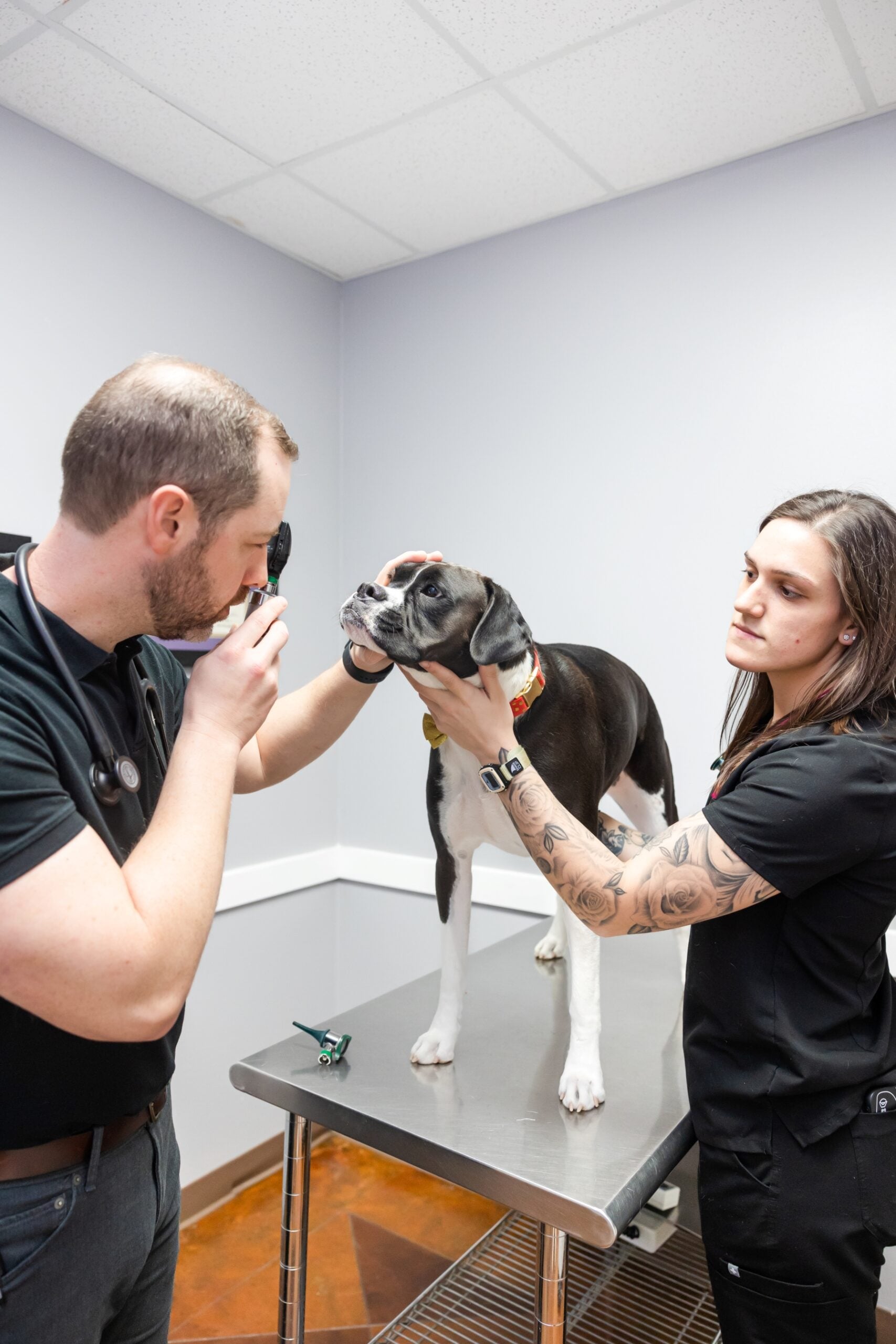
The heartbeat is a gateway to understanding overall health. A murmur, for instance, is not a diagnosis itself but a sign that requires follow-up. Some murmurs are harmless incidental findings that never progress, while others indicate structural changes in the heart that warrant closer monitoring. Echo ultrasound has become a standard tool for mapping heart chambers and valve function without invasive procedures. It’s a convergence of technology and expertise that helps us tailor care to each animal’s unique anatomy.
Preventive care remains the backbone of heart health. Vaccinations, parasite control, dental health, and weight management all intersect with cardiovascular well-being. Overweight pets carry extra strain on the heart, just as a smoker’s lungs are taxed by daily exposure. A practical approach to prevention integrates routine veterinary visits with mindful home care. We aim to clarify what works for your lifestyle and what does not, then adjust as needed as your pet ages.
In practice, the heart health conversation is most valuable when it becomes a plan you can live with. The patient is your pet, and the plan must respect the rhythms of your home. We balance medical precision with compassionate pragmatism, because the right treatment is the one you can sustain without fraying family routines. It is also the one that keeps your pet comfortable, curious, and engaged in daily life.
What to monitor at home: early indicators of heart issues
If you own a dog or cat with known heart disease or one with risk factors such as breed predispositions, regular observation at home becomes a crucial extension of veterinary care. There are scenarios where changes are subtle and gradual, and there are moments when a more rapid shift signals the need for medical attention. In both cases, your notes can guide the discussion with our team, and they can help us adjust treatment in a timely way.
-
Changes in energy and activity. A dog that previously enjoyed long walks starts showing reluctance to move, or a cat that used to sprint across the room now tires after brief play sessions. This is not merely a matter of aging; it can reflect fluid shifts, reduced oxygen delivery, or muscle fatigue from a compromised heart.
-
Breathing patterns at rest or with mild exertion. Rapid breathing when the pet is calm, or episodes of labored breathing after a gentle climb, can signal fluid buildup or heart strain. Gaining familiarity with a baseline helps you notice deviations sooner.
-
Persistent coughing or gagging. A cough that lasts weeks or worsens after lying down can be linked to heart disease in some cases, particularly when edema or fluid congestion develops in the lungs.
-
Swelling or abdominal distension. Fluid retention may lead to swelling in legs or abdomen, which is often more noticeable when the pet rests on a particular surface or sleeps in a certain position.

-
Appetite or weight shifts without a clear cause. A bored appetite can mask a deeper issue, while sudden weight gain or loss requires veterinary input to determine whether the heart is involved.
At Prairieville Animal Hospital we emphasize keeping a simple, consistent record of these observations. A short diary of daily or weekly notes makes it easier to identify trends and to communicate clearly with your veterinarian. Bring your notes to visits, where they help tailor the exam and any tests.
Diagnostics that illuminate heart health
A routine examination sits at the heart of assessment, but imaging and labs reveal the inner workings that drive decisions. The modern veterinary toolkit has evolved to include several noninvasive approaches that pair well with thoughtful clinical judgment.
-
Physical exam and auscultation. The stethoscope remains a fundamental instrument. We listen for murmurs, rhythm irregularities, and signs that suggest chamber dilation or valve issues. The nuance comes from listening across positions and times of day, because some conditions exhibit variability.
-
Blood tests. Cardiac biomarkers, electrolyte balances, and kidney function are essential because heart disease does not exist in isolation. The pet’s kidneys, liver, and electrolyte status influence which medications can be used and how effective they are.
-
Echocardiography. This ultrasound of the heart provides a dynamic view of chambers, walls, and valves. It helps us determine whether a murmur arises from a simple, benign flow or a structural problem with real therapeutic implications.
-
Chest radiography. X-rays give us a snapshot of heart size, lung fields, and the presence of fluid in the chest or abdomen. They are particularly informative when a pet presents with coughing or breathlessness.
-
Blood pressure assessment. Hypertension can compound underlying heart conditions. Regular monitoring helps guide treatment, particularly in older patients exposed to age-related vascular changes.
-
Advanced imaging and referrals. In complicated cases, we collaborate with specialists who can offer deeper analysis or advanced therapies. Our network is built to provide options without unnecessary delays.
With these tools, we translate symptoms into a targeted plan. Some pets tolerate tests well, while others require a gentler approach and a careful plan to reduce stress during examinations. The objective is steady progress: accurate diagnosis, a transparent prognosis, and an outline of steps that fit your family’s routine.
Therapeutic pathways: medications, lifestyle, and devices
Heart disease management hinges on stabilizing the patient and slowing progression. The landscape includes medications, dietary adjustments, exercise tweaks, and in some cases, devices that assist cardiac function. The choices depend on the diagnosis, severity, comorbidities, and the owner’s capacity to administer daily care.
-
Medications that ease workload on the heart. Some medications reduce blood pressure, others improve heart muscle efficiency, and still others help remove excess fluids from the body. The exact combination varies by patient, and the doses are calibrated to minimize side effects while maximizing benefit.
-
Diuretics to manage fluid buildup. Fluid accumulation in the lungs or abdomen is common in heart disease. Diuretics help remove excess fluid, which can improve breathing and comfort but require careful monitoring to avoid dehydration or electrolyte imbalance.
-
Afterload reducers and ACE inhibitors. These drugs help the heart pump more efficiently by reducing the resistance the heart faces with each beat. They can be particularly helpful for certain types of cardiomyopathy and valvular disease.
-
Antiarrhythmics when rhythm disturbances occur. Irregular heart rhythms can accompany structural disease or electrolyte shifts. When necessary, medications regulate the heartbeat to prevent fatigue, fainting, or worsening heart function.
-
Nutritional management and weight control. A heart-healthy diet typically emphasizes controlled sodium intake, quality protein, and appropriate caloric balance. We tailor these recommendations to your pet’s age, activity, and concurrent illnesses.
-
Exercise and activity planning. Gentle, consistent activity remains beneficial for cardiovascular health, but it must be balanced against the animal’s tolerance. We help families design routines that promote circulation without overexertion.
In some cases, devices such as pacemakers or implantable monitors are considered, but those options are evaluated on an individual basis. The bottom line is to create a plan you can adhere to, with clear milestones and a safety net for when things shift.
Dietary considerations and daily routines
Diet plays a larger role in heart health than many owners anticipate. The conversation is not about a single miracle food; it is about a holistic approach to nutrition that supports the heart, kidneys, and overall energy.
-
Sodium restriction. Reducing salt intake helps manage fluid balance and blood pressure, especially in dogs and cats predisposed to heart disease. The degree of restriction depends on the animal, with a gradual transition to new foods often working best.
-
High-quality protein and balanced fats. A stable energy source supports cardiac function and recovery. We look for diets that avoid excessive fillers while meeting the animal’s amino acid needs and caloric requirements.
-
Controlled caloric intake. Obesity strains the heart, so maintaining a healthy weight through portion control and routine feeding schedules is essential. We monitor weight changes and adjust portions as needed.
-
Hydration and kidney health. Adequate water intake supports renal function, which in turn influences how medications are processed. We coach families on how to encourage steady hydration, especially in cats who may be finicky about drinking.
-
Treats and one-off indulgences. Even during a heart-healthy regimen, treats can be accounted for without derailing progress. We help families calculate the impact of occasional rewards and keep the overall plan on track.
The home environment that fosters heart health
Beyond medical therapy and nutrition, everyday life shapes how well a pet tolerates heart disease and responds to treatment. A calm environment, predictable routines, and a quiet space for rest all contribute to comfort. This is not about strict regimen perfection; it is about consistency that minimizes stress and supports healing.
-
Sleep quality and bed setup. A supportive bed with proper elevation can ease breathing and reduce coughing episodes during the night. A location away from drafts and noise helps the pet sleep more soundly.
-
Temperature and activity control. In hot weather, breathlessness may worsen, and in cold weather, energy needs rise. Monitoring these shifts and adjusting walks, play, and rest accordingly makes a meaningful difference.
-
Companion dynamics. Households with multiple pets can inadvertently create stressful situations. We help owners plan quiet times and safe spaces where the affected pet can retreat when overwhelmed.
-
Routine follow-ups. A predictable schedule for checkups, lab work, and tests reduces anxiety for both owner and pet and ensures we stay ahead of any developing issues.
Choosing care that fits your family
The most successful heart health plan respects your existing routines. It avoids overloading a household with medication bottles and frequent tests while still delivering robust, evidence-based care. That balance often emerges from honest, direct conversations about goals, expectations, and the realities of daily life.
-
For some families, a minimal but precise medication protocol paired with lifestyle adjustments is enough to maintain good function for years. The key is early detection and a willingness to adjust as needed.
-
For others, closer surveillance and a phased approach to adding therapies may be appropriate. We outline triggers that would prompt escalation, and we set benchmarks so you know when it is time to revisit options.
-
In all scenarios, clear communication matters. We aim to translate medical language into practical terms, so you can decide with confidence. We want you to feel supported, not overwhelmed.
The role of the Prairieville Animal Hospital team
Our clinic operates as a collaborative hub where veterinarians, veterinary technicians, client service staff, and specialists exchange information freely. The patient’s best interest guides every decision, but we also keep a careful eye on the realities of your life. We understand that pets rely on us to sustain their joie de vivre, and we respond with a plan that emphasizes comfort and function.
-
The initial evaluation. When a heart issue is suspected or diagnosed, we walk you through what it means in plain language. We describe how the condition affects daily life and what signs to watch for as the situation evolves.
-
Ongoing management. We schedule regular rechecks to monitor heart size, breathing, and exercise tolerance. We adjust medications and dietary recommendations based on how your pet responds.
-
Family education. We provide practical tips for home monitoring, safe handling of medications, and steps to take if symptoms worsen. Our aim is to empower you with knowledge that translates into confident decisions.
-
Access to specialists. In complex cases, we coordinate with cardiology teams to explore advanced therapies or second opinions. The goal is to keep care cohesive and streamlined.
Two practical roadmaps for heart health that owners can reference
To support navigation through decisions, here are two concise roadmaps you can use as a quick reference. They are designed to complement the detailed conversations you have with our team and to help you stay focused on what matters most in daily life.
-
What to watch for at home and when to seek help. Track energy, breathing, coughing, edema, appetite, and weight. If you notice a persistent change in any of these areas, call the clinic and schedule a visit. Do not wait for a crisis to escalate.
-
Everyday habits that support heart health. Plan regular low-impact activity, manage weight with measured portions, reduce unnecessary treats, ensure consistent hydration, and keep up with preventive care. Small, steady improvements can offset larger concerns down the road.
The path forward with confidence
Heart health is a long game, with small, steady decisions that accumulate into meaningful outcomes. At Prairieville Animal Hospital, we treat this as a shared journey with you, your pet, and our veterinary team. Our approach is not about instant transformations but about sustainable progress that respects the animal’s personality and the household’s rhythm.
Cats and dogs present differently, and their hearts teach us differently, too. Dogs often show fatigue through reduced enthusiasm for walks or slower recovery after play. Cats may mask symptoms with routine independence, only revealing changes when systems are more affected. Both species demand careful listening, precise testing, and a plan that can be integrated into daily life without adding friction.

In practice, the nuances matter. A small dose adjustment, a revised feeding plan, or a subtle change in exercise intensity can tilt the balance toward comfort and vitality. The veterinarian’s role is to guide, to interpret, to calibrate treatments, and to stay within the boundaries you set for your family’s life. The pet benefits most when care feels natural, when medicine blends into routine, and when partners work together with clarity and calm.
A final note on expectations and realities
Anyone who has lived with a pet diagnosed with heart disease understands a spectrum of emotions. There is relief in knowing there is a plan, relief in seeing a pet regain a bit of energy, and honesty in acknowledging the limits that come with aging and chronic conditions. The goal is steady, unwavering attention to comfort and function. When we measure success, we do not merely count days but the quality of those days—the ability to greet you at the door, to chase a ball for a few minutes, to nap in a warm sunspot, to share a quiet evening on the couch.
If your dog or cat has had a diagnosis or you’re screening for risk, you are not alone. Prairieville Animal Hospital is here to help you interpret what the heart is telling you and to translate that into a plan that fits your life. We honor the complexity of cardiac care, the emotional stakes, and the practical needs of every family that walks through our door. With careful assessment, compassionate communication, and a commitment to ongoing support, we work toward the healthiest possible path for your cherished companion.
❧