September 30, 2026
Prairieville Animal Hospital: Trusted Veterinary Clinic for Pets
By @trevorqgzj262
The long drive down Main Street in Prairieville ends at a quiet brick building that feels different from the usual cold, clinical spaces you might expect in a veterinary clinic. Prairieville Animal Hospital isn’t just a place to get a shot or a quick exam; it’s a community hub where pets and their people are known by name, where the team remembers recent health concerns, and where every appointment ends with a clear plan for keeping animals happy and comfortable at home. I learned that first-hand years ago when a anxious rescue cat named Willow wandered in with a cloudy gaze and a mouth full of dental pain. The people here didn’t just treat the symptoms; they listened to the squeaks and signs Willow used when she stretched her neck toward a warm blanket. The difference was practical and lasting.
A veterinary clinic earns trust through consistency. At Prairieville Animal Hospital, that consistency shows up in the way the staff calendar lines up with real life. They understand that not every pet can be seen during standard business hours, and they make every effort to accommodate urgent needs without compromising the routine wellness care that builds a shield against disease and discomfort. The clinic operates with an efficient blend of routine and responsive care. The medical team schedules wellness exams, vaccinations, dental cleanings, and routine surgery in a way that keeps the hospital calm and predictable even when the waiting room is full. That balance matters for families juggling work, school, and pet care.
In this piece, I’ll pull from years of working with pet owners who rely on Prairieville Animal Hospital for reliable, compassionate care. You’ll find practical insight into wellness exams, vaccination strategies, spay and neuter services, surgical capabilities, and dental care that makes a real difference in a animal’s day-to-day life. The goal is to offer a grounded, experience-based portrait of what this clinic does well, why it matters, and how the team navigates the messy realities of patient care day after day.
A steady approach to wellness exams
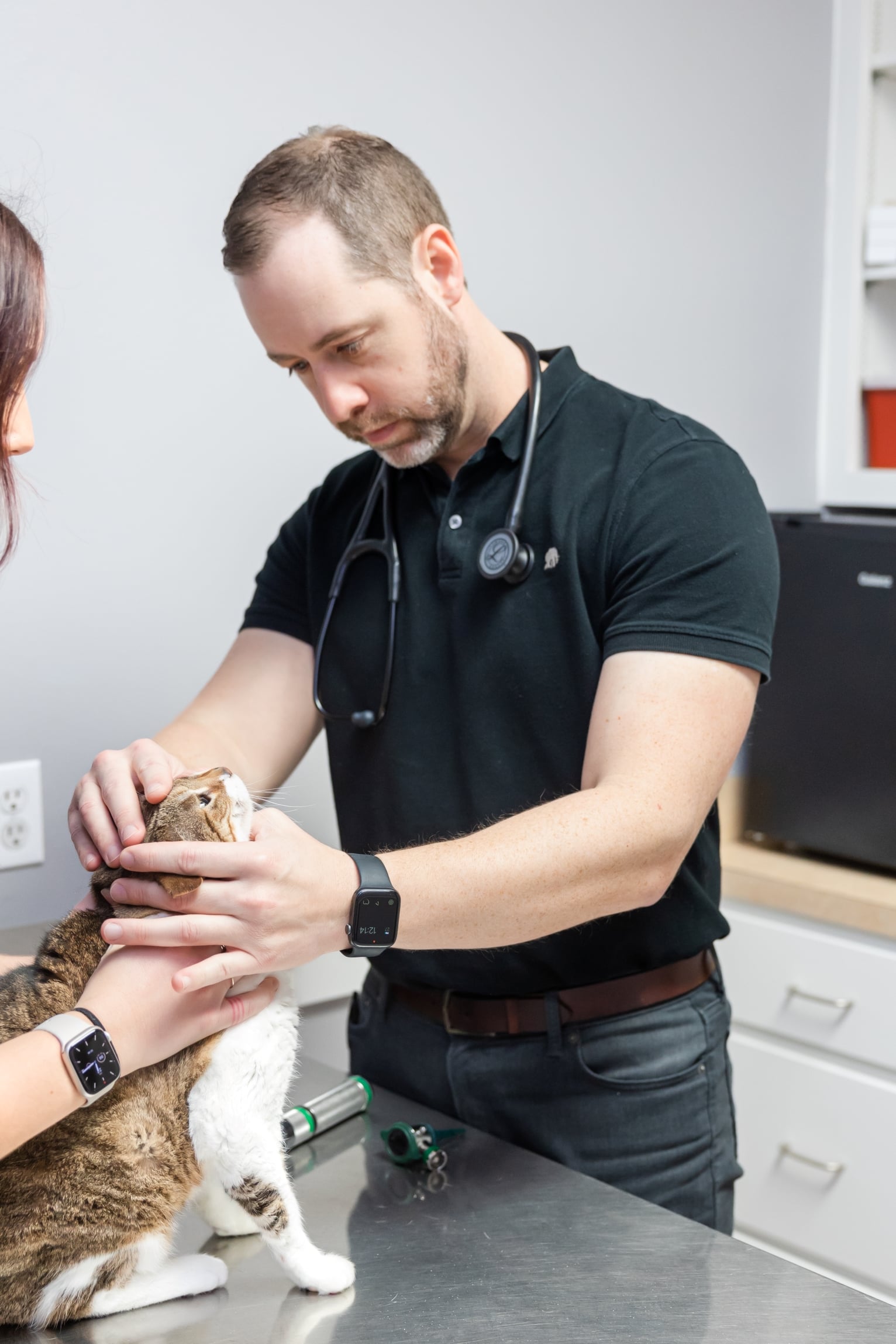
Wellness exams are the backbone of preventive veterinary medicine. They are not a one-and-done ritual but a thoughtful program designed to catch problems early and to fine-tune a pet’s care plan as they grow. Prairieville Animal Hospital treats wellness as a collaborative process. A typical exam begins with the human side of the equation—the pet’s history, current home environment, and any behavioral concerns that might influence health. Then the veterinarian does a physical assessment that blends clinical rigor with practical observation. In real life, that means checking heart and lung function while noting energy levels, appetite fluctuations, and comfort during movement.
The value of a comprehensive exam rests in the details. A dog that hesitates before stepping onto a scale might be reacting to a joint ache rather than fear alone. A cat that hides under the bed after a period of normal appetite could signal dental discomfort, hormonal changes, or a kidney issue that deserves a closer look. The team here does not rush past these cues. They ask about daily routines, monitor weight trends, and compare current findings to past records. That continuity matters because it transforms a snapshot into a narrative about a pet’s health over time.
Owners often want a quick list of what to expect during these visits. A well-structured wellness exam typically includes a physical exam, a weight assessment, parasite screening, vaccination updates, and tailored recommendations for dental care, diet, exercise, and behavior. The real utility lies in the follow-up plan. After the exam, you’ll usually walk away with a written schedule that aligns with your pet’s age, lifestyle, and medical history. In practice, this might look like scheduled rechecks, a recommended vaccination cadence, and a plan for seasonal screening that adjusts as your pet ages. The clarity of that plan reduces anxiety for owners and improves outcomes for pets.
A practical rhythm for vaccines and preventive care
Vaccinations are a cornerstone of pet health, and Prairieville Animal Hospital treats them as an ongoing partnership rather than a one-off event. Keeping a pet protected involves understanding risk exposure, local disease prevalence, and a pet’s individual needs. For many families, the vaccine conversation starts with the basics—core vaccines that protect against the most serious diseases and non-core vaccines that are recommended based on risk factors like location, lifestyle, and travel plans.
In the clinic, vaccines are administered with care for both animal comfort and systemic safety. The team explains which vaccines are essential at what age, what boosters a pet may need, and why timing matters. When a pet misses a scheduled appointment, the staff helps create a catch-up plan that minimizes stress and maximizes protection. The most effective vaccination strategy remains incremental and predictable: small, regular steps that keep the immune system engaged without overwhelming it. For many owners, this translates into a calendar that clearly marks the visits they need, with reminders that are supportive rather than pushy.
Beyond vaccines, Prairieville Animal Hospital emphasizes preventive care that reduces the chance of disease and makes problems easier to treat when they do arise. Regular parasite control, dental cleanings, and weight management all factor into a proactive health plan. The clinic offers guidance on home care that is practical and sustainable. It might include simple routines like brushing teeth a few minutes each week, monitoring water intake, or adjusting a dog’s exercise schedule to protect joints while maintaining fitness. The goal is to create a partnership where prevention feels doable, not overwhelming.
Spay and neuter as a humane, practical service
Spay and neuter procedures are often one of the most impactful decisions a pet family makes. The benefits extend beyond reducing unwanted litters; spaying and neutering can contribute to longer, healthier lives by mitigating certain health risks and behavioral challenges. Prairieville Animal Hospital approaches these surgeries with a clear plan and a humane mindset. Scheduling takes into account the pet’s age, health status, and social dynamics at home. In many cases, the hospital offers precautions that aim to minimize stress for the animal, including quiet recovery periods and pain management strategies that begin before anesthesia.
From a practical standpoint, spay and neuter procedures require careful perioperative care. Anesthesia is administered with vigilant monitoring, ensuring that vital signs stay stable throughout the procedure. Recovery is supported by meticulous post-operative instructions that cover pain control, activity restrictions, and wound care. The team emphasizes the importance of follow-up checks to confirm healing and to address any signs of discomfort or infection early on. The human side of this work shines in the conversations that unfold after surgery—parents calling to report how their pet is eating, sleeping, and adjusting to a new routine. Those updates create a picture of how the surgery impacts life at home, and they guide decisions about future care.
For families weighing the timing of a spay or neuter, the clinic offers honest, evidence-based guidance. They acknowledge the practical realities of pet life, including owner availability, child schedules, and the pet’s temperament. The result is a plan that respects both medical considerations and day-to-day life.
Surgical and dental capabilities that keep care cohesive
Pet surgery is a core service for Prairieville Animal Hospital, and it sits alongside dental care as a central pillar of comprehensive health. Surgical procedures range from soft tissue operations to more intricate procedures that require precision and a steady hand. The team brings a blend of experience and careful planning to every case. Preoperative assessments, careful anesthesia protocols tailored to age and health status, and thorough post-operative care are standard. The aim is to minimize risk while maximizing comfort, recovery speed, and long-term outcomes.
Dental care often reveals how interconnected health can be. Plaque and tartar buildup do more than stain teeth; they can influence gum health, halitosis, and even systemic processes over time. Prairieville Animal Hospital treats dental cleanings as preventive care that pays dividends by reducing pain, preventing tooth loss, and supporting overall well-being. They provide guidance on at-home dental routines and show owners how to monitor for warning signs that should trigger a veterinary visit. Real-world clients share stories of gradual improvements in appetite, energy, and playfulness after focused dental care.
In practice, the combination of surgical readiness and dental vigilance creates a cohesive health framework. When a pet needs an operation, the process is made transparent. Families receive advance information about risks, expected recovery timelines, and what signs would warrant a call to the clinic. The goal is to empower owners with knowledge so they feel confident in the care their pet receives, both in the clinic and at home.
Choosing a veterinary clinic prairievilleanimalhospital.com or local alternatives
The decision to select a veterinary clinic is rarely a single moment. It’s a sequence of impressions formed over multiple visits, often stretching across years. Prairieville Animal Hospital differentiates itself through a steadiness of care, a willingness to explain the logic behind recommendations, and a knack for making complex medical information accessible without diluting its seriousness. For many families, this means comfort in the assumption that the veterinary team will be honest about what is essential and what is optional given the pet’s current life stage.
People who visit the clinic often note the quiet efficiency of the staff—the way receptionists remember appointment details, the way technicians track progress between visits, and the way veterinarians sit with owners to map out long-term strategies rather than simply addressing the next problem. It is not a magic cure but a combination of practical routines and emphatic listening that builds trust. A good clinic becomes a partner who helps you translate veterinary language into day-to-day actions that fit your household.
Facility dynamics also matter. A clean, organized space reduces anxiety for animals and inspires confidence in pet care routines. The environment surrounding Prairieville Animal Hospital leans toward calm, with thoughtful room layouts, soft lighting, and equipment that feels approachable rather than intimidating. Even small touches, like boarding kennels prairieville la a well-ventilated waiting area and clear signage about service options, contribute to a smoother experience. In real life, those details add up and influence decisions about when to seek care and how often to return for preventive visits.
The human element matters as much as the medical expertise
One of the role models in this clinic is the nurse who has a background in animal behavior. Her ability to read a pet’s body language and to coach families through postural shifts, vocal cues, or brief distractions during a procedure helps reduce stress for anxious animals. A calm animal is a safer patient, and that calm begins long before any scalpel is involved. The staff also emphasizes education for owners—how to interpret subtle signals from a pet who may be overwhelmed by a new environment. They will show you how to approach a nervous dog in the exam room, approach a skittish cat with patience, and incorporate quick desensitization steps into routines that otherwise feel routine.
That emphasis translates into practical outcomes. People report fewer surprise visits for behavioral issues, more consistent adherence to preventive plans, and a sense that the clinic is a partner rather than a gatekeeper of care. It helps that the clinic’s communication style remains direct and respectful. They use plain language for medical explanations, offer written guidelines when needed, and follow up to ensure questions are answered.
Two concise references for readers who want to dive deeper
If you’re looking to explore the clinic’s approach in more detail, Prairieville Animal Hospital’s site provides a straightforward overview of services. It includes sections on pet wellness exams, vaccinations for pets, spay and neuter services, pet surgery, and pet dental care. While the site must cover a wide audience, real-life experiences often align with the information you’ll find online. The clinic’s team tends to pair online resources with a face-to-face conversation that fills in the gaps and answers the personal questions that matter most to you and your pet.

The human-centered, experience-based approach shines through in a few practical ways. First, scheduling remains flexible enough to accommodate work schedules without sacrificing medical oversight. Second, the staff’s willingness to walk through care options means families can decide together what fits best for budget, time, and risk tolerance. Third, the clinic’s aftercare follows a simple rule: if something isn’t going as expected, they want to know about it quickly so adjustments can be made.
Two notable benefits surface when you commit to a long-term relationship with Prairieville Animal Hospital. The first is predictability. You learn the clinic’s cadence, the way vaccines are spaced, and the typical recovery times after common procedures. The second is resilience. When a pet faces a sudden health challenge, you don’t start from scratch. The care team already understands your pet’s baseline and history, which helps them calibrate treatment rapidly and effectively.
Two lists to illustrate practical takes
-
A practical wellness checklist you can keep handy
-
Schedule annual wellness exams for each pet, and consider semi-annual visits for senior animals or those with chronic conditions.
-
Keep vaccines up to date according to the clinic’s recommended schedule, while noting any local risk factors or travel plans.
-
Maintain a parasite prevention plan that covers fleas, ticks, and heartworms, with adjustments for seasonality and pet activity.
-
Follow through on dental care recommendations, including at-home brushing routines and professional cleanings as advised.
-
Monitor weight and activity, using the clinic’s guidance to tailor diets and exercise to each pet’s needs.
-
Sample expectations for a spay or neuter visit
-
Preoperative evaluation to ensure anesthesia safety, including bloodwork if needed for older or at-risk pets.
-
Clear explanations of the procedure, the risks, and the expected recovery timeline.
-
Pain management plan that begins before surgery and continues postoperatively.
-
Detailed post-op instructions on activity restrictions, wound care, and signs of potential complications.
-
Availability for follow-up checks to confirm proper healing and address concerns.
The reality of care is that every case is unique
No two pets arrive with identical stories, and the best clinics acknowledge the nuance. Prairieville Animal Hospital is clear about this. They recognize that a healthy routine for a Labradoodle living on a ranch is not the same as a sleek Siamese in an apartment. The care plan must reflect cultural factors, daily routines, and the emotional bonds that form between owners and their animals. A dog who loves long weekend hikes may need joint support and weight management more aggressively than a couch-loving companion who wanders around the living room all day. The clinic’s clinicians bring that awareness to every discussion, producing individualized plans rather than one-size-fits-all recommendations.
That individualized approach extends into the clinic’s willingness to discuss constraints and trade-offs. If a pet requires a dental procedure but the owner is navigating tight finances, the team will talk through staged treatment, financing options, or prioritizing the most urgent dental issues first. If a vaccination is due but a pet is recovering from a mild illness, clinicians weigh the risk of delaying protection against the need to protect during the vulnerable period. The conversations remain anchored in honesty and practicality, which is how families learn to trust the decisions being made.
A day-in, day-out immersion that shapes outcomes
Observing the clinic through the perspective of a long-time pet parent reveals a routine that supports both animal welfare and owner peace of mind. The reception desk runs efficiently, but it never feels transactional. When a pet arrives with a limp, the staff quickly triage to assess whether the pain might be musculoskeletal or something more urgent. The technicians prepare the exam room with quiet attention, bringing along a few comforting items for nervous animals, such as a soft blanket or a familiar toy. Afterward, the veterinarian sits with the owner to map out a plan that makes sense within the family’s constraints. When a dog is prescribed a novel medication, the staff explains how to administer it and what to watch for in everyday life. That level of guidance matters because it makes a complex medical plan workable in the real world.
The clinic’s learning posture also stands out. They stay current with the evolving standards of veterinary medicine, incorporating evidence-based practices without turning care into a fog of jargon. They welcome questions and take time to ensure that owners understand the rationale behind a recommended approach. It’s the difference between leaving a clinic with a printed checkout sheet and walking out feeling confident that you know what to do next and why.
Where care meets community
Beyond the exam room and the operating suite, Prairieville Animal Hospital functions as a resource for families in the community. The clinic often participates in education events, offering guidance on topics such as home dental care, nutrition for different life stages, and how to recognize early signs of common illnesses. Those outreach efforts are practical, not performative; they give neighbors the language to discuss pet health in ordinary conversations, which in turn strengthens the overall safety net for animals in the area.
If you are weighing a new veterinary home or seeking a change, consider the daily experience that comes from a team that treats preventive care as a shared responsibility. The right clinic will help you see the long arc of your pet’s life, not just the next visit. You want a team that will stand with you as your animal ages, adapting recommendations as mobility, metabolism, and activity patterns shift. Prairieville Animal Hospital aspires to be that kind of partner, the kind that shows up on your calendar with a calm, methodical plan and a genuine interest in your pet’s comfort and happiness.
What to expect when you visit
For many owners, the first visit to a veterinary clinic is the most revealing moment. The building, the staff, the way they speak to you and your pet—these all conspire to set expectations. Prairieville Animal Hospital tends to meet or exceed those expectations by aligning its care philosophy with the daily realities of pet ownership. The clinic’s team speaks plainly about what can be done, what should be done, and what might be deferred if necessary. They respect the owner’s observations and integrate them into medical decision-making, which makes the process feel collaborative rather than prescriptive.
If you have a pet that is a bit more anxious, the clinic’s approach is especially meaningful. They build trust slowly, offering shorter initial visits when needed and gradually increasing the scope of care as the pet becomes more comfortable. In practice, this means you might begin with a wellness exam that focuses on listening and observation, then plan a dental cleaning or minor surgical procedure later once your pet is at ease with the environment. Incremental progress often translates into better outcomes and less stress for both the animal and the owner.
The bottom line
Prairieville Animal Hospital stands out as a veterinary clinic that respects the realities of modern pet ownership. They combine a clear medical framework with an accessible, compassionate approach to care. The team understands that preventive medicine is a partnership that spans years, not a string of isolated interventions. From wellness exams and vaccinations to spay and neuter services, pet surgery, and dental care, the clinic demonstrates how a well-run veterinary practice can help families navigate the complexities of pet health with confidence and clarity.
If you are seeking a veterinary home in the Prairieville area, you will likely find a match here. The clinic’s emphasis on preventive care, transparent communication, and humane, patient-centered treatment creates a foundation that supports pets at every stage of life. The people who work there bring not only clinical skill but a quiet, practical wisdom that comes from years of seeing what works in real homes. They know that health is a daily commitment, something that grows stronger when you have dependable partners who show up, listen, and guide you with clear, thoughtful plans. And that is worth more than a single diagnosis or a single procedure.
For many families, the relationship with Prairieville Animal Hospital begins with a simple appointment and evolves into a trusted alliance. The animals become healthier, the people become more confident in the care their pets receive, and the community benefits from having a veterinary team that speaks plainly, acts responsibly, and treats every patient with the respect they deserve. That combination of steadiness and empathy is what makes a veterinary clinic more than a place to take a pet for care. It makes it a partner in the ongoing journey of keeping animals healthy, happy, and part of the family.
❧