September 30, 2026
Prairieville Animal Hospital: Pet Health News and Updates
By @trevorqgzj262
The rhythms of pet care in Prairieville have shifted a little over the past year, and that shift has practical consequences for how owners approach routine care, emerging risks, and everyday emergencies. At Prairieville Animal Hospital, we’ve learned to listen to the quiet signals your pets give long before a crisis hits, and to translate those moments into a plan you can follow with confidence. This is not a flashy update reel but a grounded look at how we protect and improve the well being of dogs and cats in our community. It’s a snapshot built from years of client conversations, clinic floor realities, and the steady pace of preventive medicine.
A note from our team often begins with a simple premise: prevention matters more than most of us expect. A routine wellness exam is not a ceremonial check in but a structured opportunity to map a pet’s health against species norms, age-related changes, and lifestyle realities. Our clients who schedule regular pet wellness exams Prairieville Animal Hospital consistently report fewer surprises, easier management of chronic conditions, and a stronger bond with their veterinarians. The science behind preventive care is not glamorous, but it is persistent. A little consistency goes a long way when you are coordinating vaccines, dental care, nutrition, and activity.
In Prairieville, the climate, the days on the trail, and the rhythms of daily life all feed into what we see in the exam room. The weather is a tangible factor for pet health. Humidity and heat bring bite-sized risks—dehydration in active dogs, heat stroke in brachycephalic breeds, and seasonal parasites that appear as the calendar turns. Cold snaps can aggravate arthritis in senior dogs and cats, and the shift in daylight can affect mood and energy in indoor pets. Our approach is to weave these practicalities into a plan that stays reachable for families who juggle work, school, and caregiving responsibilities.
The core of what we do at Prairieville Animal Hospital stays consistent even as trends evolve. Vaccinations for pets form the backbone of keep-your-pet-safe strategies, and the intervals for boosters are not arbitrary. They reflect a careful balance between immune system development, exposure risk, and our knowledge of how diseases circulate in our community. We do not chase every new vaccine rumor with every change in the market. We chase outcomes: fewer infections, fewer outbreaks, and healthier animals that can thrive in a busy family setting. Our team takes time to explain what each vaccine protects against, the recommended schedule, and what to expect after a shot in terms of comfort and activity.
The spay and neuter conversations continue to be central to our practice philosophy. Not every client arrives with a fully formed plan, but nearly everyone recognizes the long arc of benefits: reduced unintended litters, decreased risk of some cancers, and a steadier behavioral baseline in many cases. We tailor the timing and approach to the individual pet, because genetics, breed tendencies, and medical history matter. Our spay and neuter procedures are performed with modern techniques, pain management, and careful aftercare instructions that help families navigate the first days at home.
Pet dental care remains one of the most overlooked corners of preventive medicine. A pet’s mouth is a gateway to overall health, and the consequences of neglect can echo through cardiovascular and renal systems. We encourage owners to think about dental health as part of the same set of routines that include vaccines and annual blood work. The reality in practice is that many pets tolerate dental cleanings better than expected once they understand what to anticipate, and the benefits in energy, appetite, breath, and comfort are tangible.
This article does not aim for a single lesson but a practical map. It is written from the perspective of a clinic that has seen families navigate illness, routine care, and the everyday questions that arise when life gets busy. You will find concrete timelines, real-world tips, and a few trade-offs to consider as you align your pet’s care with your family’s priorities. The aim is behaviorably useful guidance that you can translate into action in the coming months.
A landscape of preventive care
Preventive care is not a single action but a suite of routines that, when harmonized, keep pets healthier longer. At Prairieville Animal Hospital, wellness exams are the anchor. These visits are not a once-a-year formality but a structured opportunity to update medical history, review medications, and assess how a pet ages in the real world. We look beyond obvious symptoms to capture subtle shifts in appetite, sleep patterns, coat condition, mobility, and mood. A calm, methodical approach often reveals small changes that, if left unaddressed, could grow into bigger problems.
During wellness exams, we combine physical assessment with targeted screening. In adult and senior pets, blood work becomes a more frequent companion to routine checkups. The numbers tell a story: kidney function, liver enzymes, thyroid status, and electrolytes all add color to a pet’s health portrait. When values drift outside expected ranges, we discuss what that means in the context of the pet’s lifestyle. The goal is not to alarm but to illuminate, to give owners information they can use to adjust diet, activity, or medications in collaboration with the veterinarian.
Vaccinations for pets remain a central thread in our preventive strategy. The plan is not merely to vaccinate but to vaccinate wisely. We tailor schedules to life stage and exposure risk. For many companion animals, the core vaccines provide a robust shield, but we also discuss non-core vaccines when appropriate based on travel, local disease prevalence, or specific risk factors. We will always explain what a booster does, how immunity may shift with age, and what side effects, if any, owners should monitor after a shot.
Pet wellness exams Prairieville Animal Hospital are a practical safeguard. They are also a time to discuss nutrition. Food choices influence energy levels, coat quality, and body condition. We routinely assess body condition score and discuss how to balance calories with activity. The goal is a pet that looks and feels comfortable, with a steady weight that supports long-term health. If concerns arise, we propose a plan that includes portion control, feeding schedule adjustments, and, when needed, referrals to a veterinary nutritionist who can offer more specialized guidance.
Mobility and exercise occupy a significant portion of our conversations with owners. Age brings stiff joints and slower gait, and that’s not a failure of care but a normal progression that can be managed. Gentle, consistent exercise is a cornerstone of maintaining muscle mass and joint health. We discuss options that fit a household’s routine, from short, temperature-controlled walks to low-impact enrichment activities indoors. For some dogs and cats, we review joint supplements or medications that can support mobility. The objective is to preserve independence and playfulness without compromising safety.
Dental health often comes up in the context of a broader preventive plan. Our dental program emphasizes prevention as much as treatment. Regular brushing at home, coupled with routine professional cleanings, keeps the teeth and gums healthier for longer. We guide owners through practical home care strategies that fit their pet’s temperament and lifestyle. The dentistry visit is not a luxury but a core component of health maintenance, with improvements in appetite, energy, and overall comfort often visible within weeks of a cleaning.
Surgical care and anesthesia
Our surgical services cover a spectrum from essential spay and neuter to more specialized pet surgery. The decision to operate is never taken lightly, and we rely on a combination of imaging, laboratory tests, and a careful risk assessment to guide each case. For routine procedures, anesthesia is tailored to the individual’s age, weight, and medical history. We emphasize pain management as a continuous thread rather than an afterthought. The pain you see at home is often a signal that the body is recovering, not a moral failing or a lack of care on the part of the medical team. We discuss expectations for the recovery period in clear terms and provide written instructions to minimize confusion.
In more complex cases, we lean on a network of specialists when a referral can meaningfully improve an outcome. The goal remains the same: maximize safety, minimize downtime, and return pets to the comfort of their families as quickly as possible. We are transparent about costs, timelines, and the potential for alternative approaches if a particular procedure carries higher risk or longer recovery than anticipated. The human element—your questions, your concerns, your routines at home—drives our decisions as much as the clinical data does.
Pet dentistry and beyond
Dental care intersects with every other domain of pet health. A plan that includes regular prophylaxis, home care, and nutritional support is a durable strategy. We have found that many owners underestimate the power of early dental intervention. Tartar buildup is not merely a cosmetic issue; it can trap bacteria and inflame gum tissue, potentially affecting heart and kidney health over time. Our team can guide you through a staged approach to dental care that fits your pet’s tolerance for handling and your household schedule. We often pair dental work with a temporary adjustment in the pet’s activity and diet to make the transition smoother.
In describing our dental program, we emphasize practical steps that owners can implement right away. Consistency matters far more than heroic, one-off efforts. A few minutes of brushing most days is more impactful than an occasional, longer session that doesn’t form part of a routine. For pets that resist brushing, we offer alternative strategies such as dental chews, water additives, and gradual desensitization techniques. Our aim is to create a sustainable routine that reduces oral disease risk while maintaining a positive experience for the pet.
A year in the life of a Prairieville patient
The best way to understand how care unfolds is to walk through a typical year with a client and their pet. A seven-year-old mixed breed named Willow came in for a routine wellness exam in January. Willow’s owner had noticed her energy dip in the late afternoon and a tendency to paw at her muzzle more than usual. The exam revealed a mild dental issue and a slightly elevated liver enzyme level, likely linked to diet and obesity. The team discussed a two-pronged plan: a home dental care routine to address the dental issue and a targeted dietary adjustment to address the liver changes. A follow-up blood test in eight weeks confirmed stabilization, and Willow returned to a more comfortable pace with friends at the dog park.
In March, a cat named Pixel, an indoor-only, sedentary felid, presented after a minor fall from a window ledge. Pixel did not show obvious fractures, but the incident underscored the risk of low activity in indoor cats, especially as they age. We took a conservative approach, prioritizing pain control and a gradual reintroduction to safe play. This case reinforced the value of fall prevention and environmental enrichment for cats who live mostly indoors. Pixel’s owner learned to provide climbing shelves and window perches that encourage exercise without creating new hazards.
By summer, vaccinations for pets and routine wellness exams had built a steady rhythm for many families. The clinic hosted a community vaccination day with extended hours, a practical service designed to reduce stress for busy households. A handful of anxious dogs found the clinic a little intimidating initially, but with calm handling, pheromone products, and a quiet recovery space, the experience transformed into a straightforward, low-stress process. These events are more than just convenient; they reinforce a culture of care that recognizes the human factor in veterinary medicine.
Seasonal considerations and practical tips
Seasonality influences health in tangible ways. In hot weather, we stress hydration and shade for dogs spending time outdoors. We encourage owners to monitor for signs of overheating, especially in short-nosed breeds or older pets. When temperatures rise, early morning or late evening exercise becomes a sensible pattern, and a small portable bowl with fresh water can prevent dehydration during longer park visits. We also discuss parasite prevention, because fleas, ticks, and mosquitoes are not purely a warm-weather problem. Regional patterns shift year to year, and the best shield is a plan that adapts to your pet’s routine and local tick populations.
As fall arrives, we consider weight management and mobility. The crisp air often lures families to longer outdoor walks, which is a healthy habit if the pet’s joints tolerate it. For geriatric dogs and cats, we propose shorter, more frequent outings and a focus on joint-friendly activities. The goal is to maintain activity without increasing discomfort. We also remind owners to update microchip information during seasonal checkups. A microchip is only as reliable as the data it carries, and updating contact details is a small but critical step that pays dividends if a pet ever becomes lost.
Winter introduces its own set of challenges. Indoor heat sources, holiday foods, and reduced physical activity can contribute to changes in appetite and behavior. We discuss safe treats, the dangers of holiday decorations, and the importance of keeping households free of toxic plants and foods. When households travel for the holidays, pet boarding or day care becomes a practical option for many, and we provide guidance on what to look for in a reliable facility, what questions to ask, and how to prepare a pet for boarding to minimize stress and health risks.
Two lists, crafted for clarity
-
A quick check-in for the year ahead: 1) Schedule a wellness exam and update vaccines as needed. 2) Review dental health and set up a professional cleaning if indicated. 3) Confirm age-appropriate blood work, especially for seniors. 4) Reassess diet and weight, with adjustments if necessary. 5) Plan a safe, milestone-based exercise routine that respects mobility.
-
Common pitfalls to avoid: 1) Delaying a routine check because the pet seems fine at the moment. 2) Waiting for symptoms before pursuing tests that could reveal underlying disease. 3) Underestimating dental care and its impact on overall health. 4) Rushing through anesthesia decisions without a clear preoperative plan. 5) Ignoring environmental hazards that households often overlook.
The human side of veterinary care
We talk about the medical facts, but the human element is equally important. A pet’s health journey is inseparable from a family’s routines, finances, and emotional landscape. Our team works to meet families where they are, translating medical language into practical steps. We make space for questions, because every owner has a different tolerance for risk and a unique sense of what “good care” feels like in their home.
Communication is our daily tool. We aim for clarity in explanations about vaccines, dental procedures, anesthesia, and postoperative care. We do not rely on jargon to convey certainty. Instead we lay out what to expect month by month, what to watch for, and when to call with concerns. The most valuable insights often come from listening to pet owners describe changes in energy, appetite, or mood that might not be obvious in a quick exam.
In practice, this means maintaining a patient-centric approach that respects the realities of life in Prairieville. We recognize that a family with young children, two full-time jobs, and a tight budget will need different solutions than a retiree with a single-p pet. Our recommendations aim to be practical rather than prescriptive, offering a range of options with transparent costs and anticipated outcomes.
A note on accessibility and community
Access to veterinary care is a facet of community health. Our clinic is designed to be approachable, with extended hours during weekdays and some weekend availability to accommodate work schedules. We work to reduce barriers by providing clear cost estimates up front and offering flexible payment options when possible. Our aim is not to price out care but to keep essential preventive services within reach so that families can maintain an ongoing relationship with a trusted veterinary partner.
To support our clients further, we maintain up-to-date information on our website, prairievilleanimalhospital.com, and encourage people to use it as a resource. We post seasonal tips, reminders about vaccination schedules, and explanations of common procedures. The website is not a substitute for a face-to-face visit, but it can help owners prepare for what to discuss during an examination and help them track recommendations over time.
Beyond the clinic doors, we see a broader ecosystem of care that includes nutritionists, behavior specialists, and emergency services. When a pet’s needs evolve in unexpected ways, a well-coordinated referral network can make all the difference. Our practice philosophy is to act as a central hub that integrates these resources in service of the patient. We are careful about making referrals and aim to preserve continuity of care, keeping the pet's medical history in one accessible place.
What this looks like in a practical sense
For a family planning vaccines, we provide a clear, step-by-step schedule that aligns with age and exposure risk. The core vaccines are explained with a straightforward rationale and a practical plan for boosters. We also discuss non-core vaccines when appropriate, detailing what conditions they protect against and the circumstances under which they are recommended. The conversation includes possible side effects, how to monitor for adverse reactions, and what steps to take if a reaction is suspected.
Spay and neuter services are presented with an emphasis on timing, technique, and aftercare. We tailor the plan to the animal’s age, health status, and lifestyle. The surgical process and recovery are explained in plain terms, with a reality check about potential short-term discomfort and the importance of rest after surgery. We provide a written discharge plan that highlights pain control, incision care, and activity restrictions.
Dental care is treated as ongoing health maintenance rather than a single event. We discuss at-home brushing, the products that work best for various coat types and ages, and how to monitor for signs of dental disease between visits. We schedule professional cleanings at intervals that reflect an individual pet’s risk profile. For some animals, early intervention can prevent progression to more serious disease later on.
The care you can expect in Prairieville
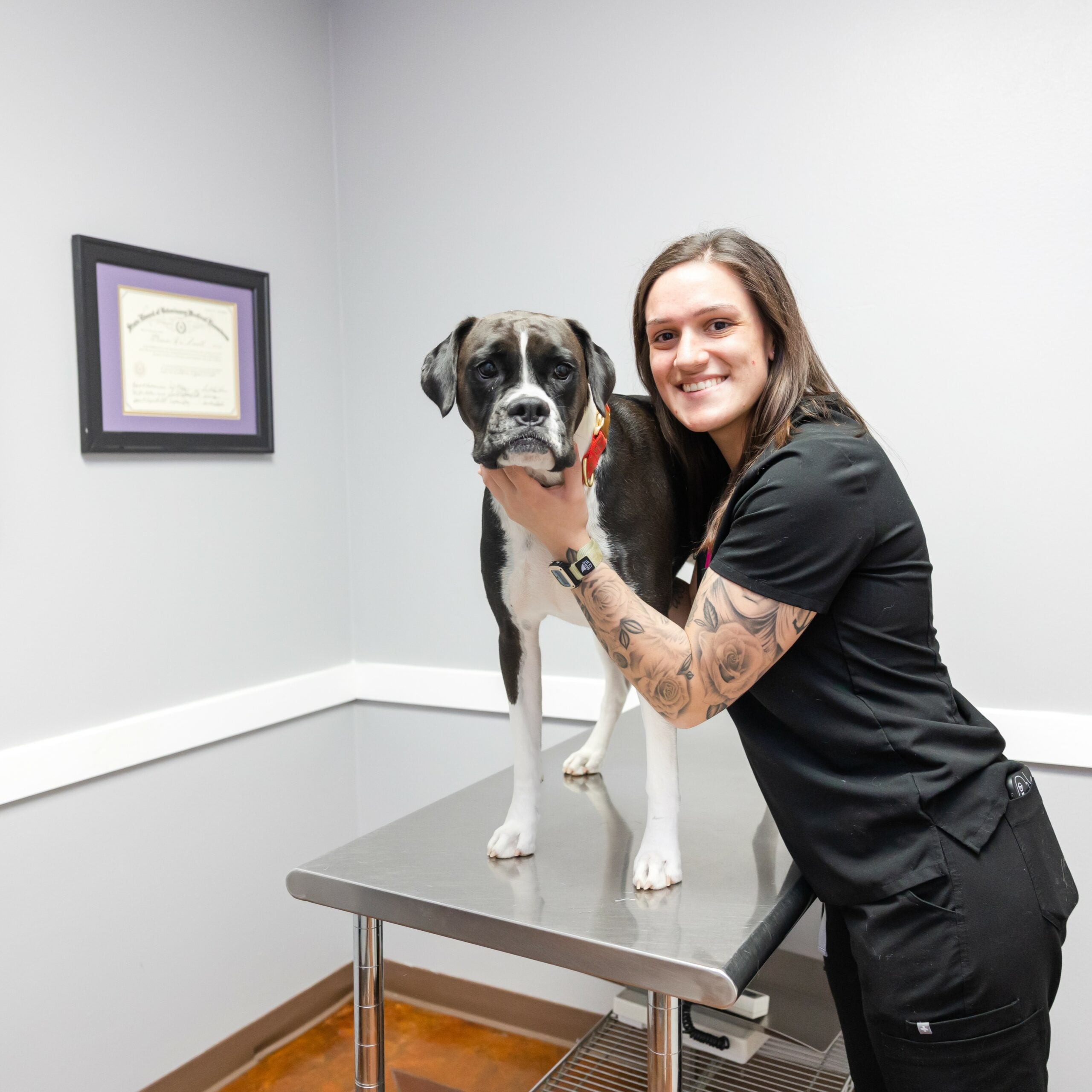
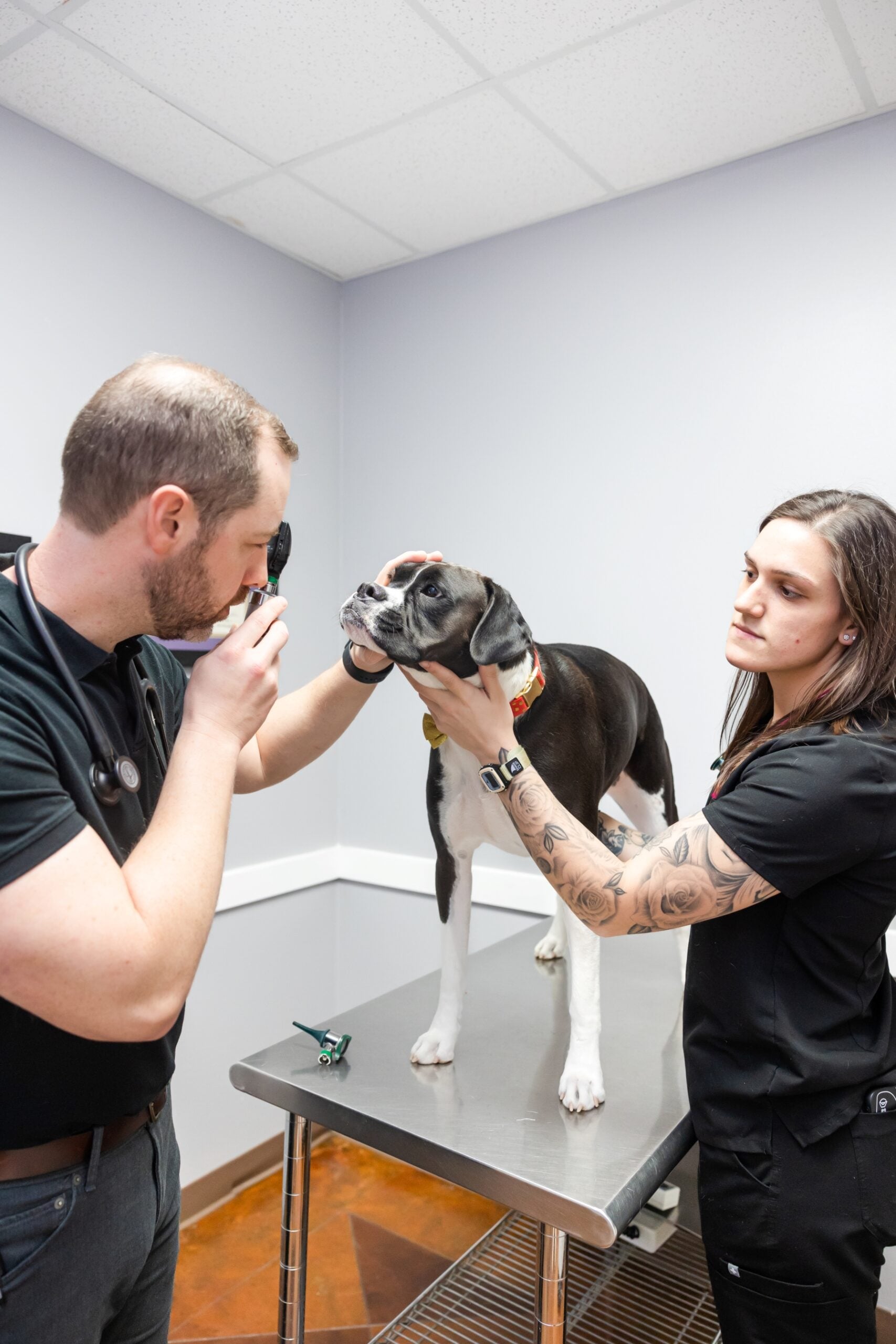
What to expect during a visit is shaped by the patient, the family, and the environment. The exam room should feel predictable but not dull, with a clinician who checks blood pressure if there is any concern about stress or cardiac risk. We take steps to minimize stress for the patient, using gentle handling, comfortable recovery spaces, and a calm atmosphere. For anxious pets, we discuss desensitization strategies, pheromone supports, and, when appropriate, low-stress handling techniques trained into our staff.
We also place a strong emphasis on aftercare. A successful procedure depends less on the moment of surgery than on what happens in the days and weeks after. We give explicit home care instructions, provide pain management guidance, and set clear follow-up milestones. If a problem arises, we respond quickly and adjust the plan as necessary. The continuity between visits is what sustains long-term outcomes.
Edge cases and thoughtful trade-offs
Not every situation has a perfect solution, and we recognize the value of honest conversations about trade-offs. For instance, a senior pet may benefit from a comprehensive diagnostic battery, but the stress and cost of extensive testing must be weighed against the potential for actionable results. The same careful calculus applies to anesthesia in older animals. We prefer techniques that minimize risk and allow a smooth recovery, even if that means opting for staged procedures or shorter anesthesia exposure when clinically appropriate.
Another example is weight management in cats who dislike certain foods or owners who struggle with portion control. We discuss multiple feeding strategies and the realities of how a household’s routines translate into day-to-day choices. The aim is to create sustainable changes that align with a family’s preferences, lifestyle, and budget. We avoid pushing aggressive diets at the expense of a pet’s enjoyment and overall wellbeing. The best plan is the one that a family can maintain with confidence over months or years.
A sustainable path forward
If you are a Prairieville resident trying to decide how to approach pet health, begin with a simple, repeatable rhythm. A wellness exam every year for adults, or every six months for seniors or high-risk patients, keeps the medical history fresh in a way that a single annual visit cannot. Vaccination decisions should be grounded in exposure risk, which means local context matters. We do not push every new vaccine; we tailor recommendations to your pet and your neighborhood. For most companions, a balanced plan reduces disease risk while keeping the experience humane and predictable.
In the same vein, dental care should not be an afterthought. Prioritizing two visits per year for a dental cleaning, in combination with at-home care, dramatically changes outcomes for many pets. The improvements in breath, energy, appetite, and the number of clean teeth are measurable and meaningful. The investment pays off not just in health, but in daily life—the pet that wants to greet you at the door with a wag or a purr that signals comfort rather than distress.
The clinic as a partner rather than a barrier
The relationship between a pet owner and a veterinary clinic is a partnership. Our role is to remove fear, reduce confusion, and provide a realistic plan that supports a family’s goals. We want to be a resource the moment a question arises, not a distant expert who is hard to reach. When families feel informed, they become better advocates for their pets, and the pets themselves benefit from the consistency of a trusted medical home.
If you are new to Prairieville or simply looking for a different approach to pet health, consider what you are hoping to gain from a veterinary relationship. Do you want more education about day-to-day care? Do you need help coordinating a complex treatment plan across different specialists? Are you seeking clearer guidance on preventive care that fits your schedule and budget? These are the kinds of questions we welcome, because they help us tailor care to your life while maintaining rigorous medical standards.
Closing reflections on care that endures
The ongoing challenge in preventive medicine is not to produce dramatic moments but to craft a durable trajectory for health. Subtle changes, monitored over months and years, accumulate into a greater sense of well being for a pet. The satisfaction in practice comes from seeing patients grow stronger and more comfortable with each passing season. It is about the quiet wins—the pet who happily hops into the car for a routine appointment, the cat who accepts a dental cleaning with minimal stress, the dog who returns to a playful, social life after a minor mobility adjustment.
We welcome ongoing conversations with Prairieville families. vet near prairieville la If you have questions about vaccines, dental care, spay and neuter options, or how to plan for a senior pet’s health, we encourage you to reach out. Our team is ready to listen, to explain, and to translate veterinary science into practical steps that align with your values and your daily realities. The goal remains consistent: to help you care for the animals you love with clarity, compassion, and a steady, evidence-based approach that stands up to time.
❧